

Clevis Bolt
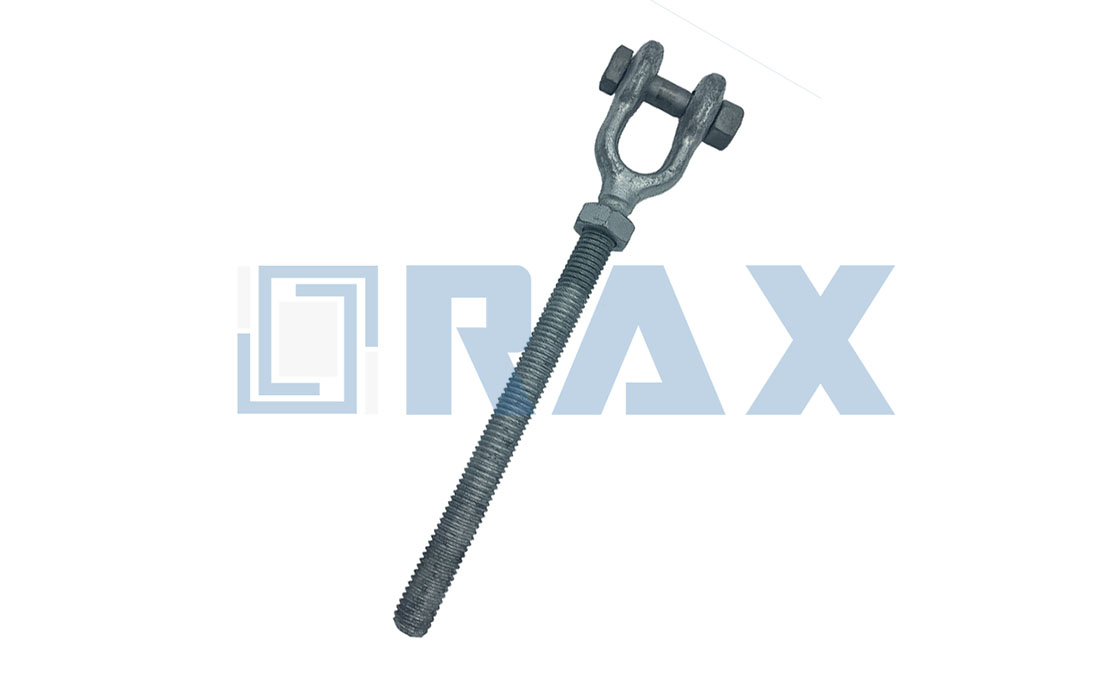
A clevis bolt is a component used in tie rod assemblies to provide dead end connections to eyes or links. They are a versatile type of fastener that is used to create a mechanical connection between moving parts that need to be joined without mobility.
When a clevis bolt is used in assemblies it creates a secure connection that supports movement along one axis. This makes them ideal for applications where a pivot point is required such as suspension systems, mechanical linkages, and equipment assemblies.
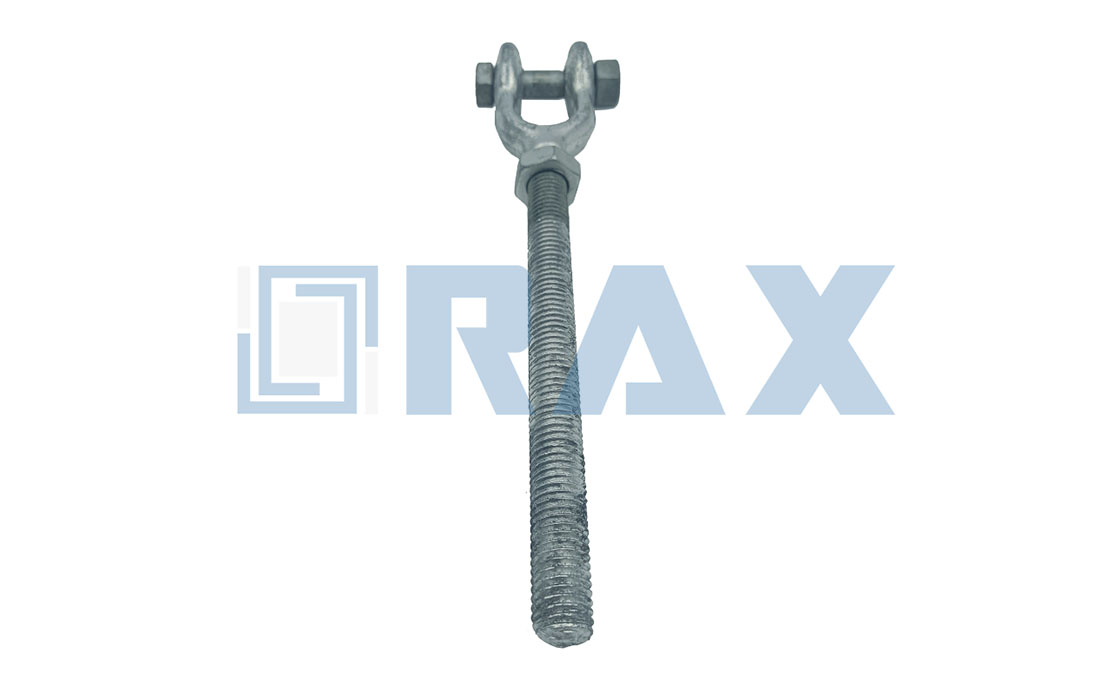
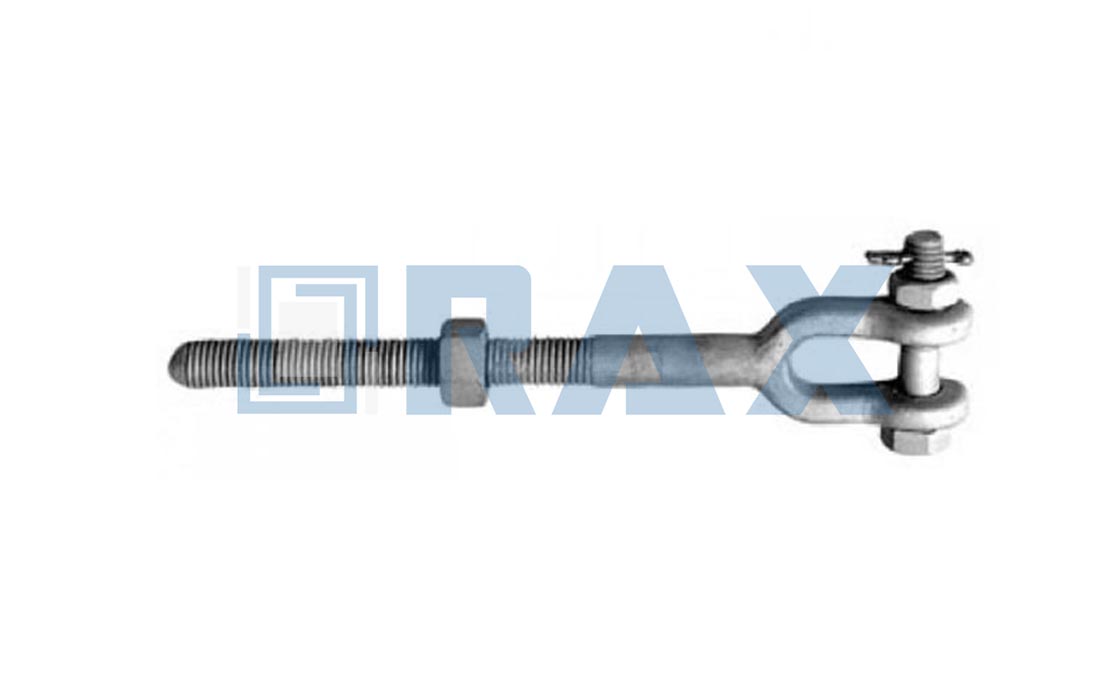
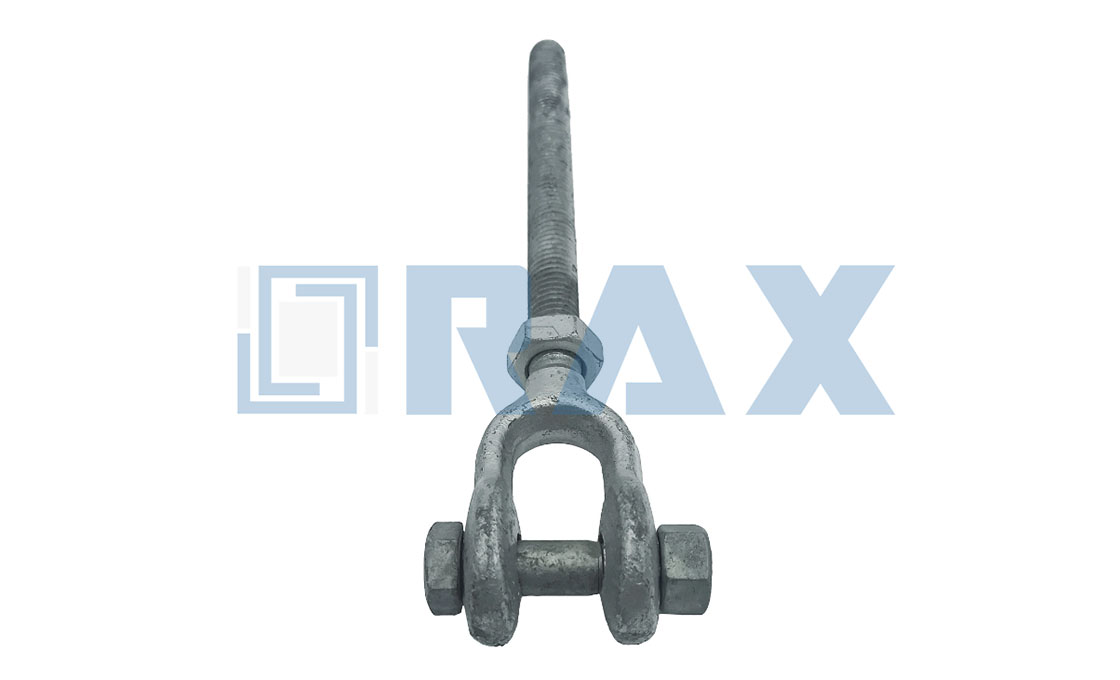
The structure of the clevis features a U-shaped head on one end with holes for attachment. The other end is a machine bolt with a nut and a stainless steel self locking cotter pin to provide a secure vibration proof assembly. The diameter of the nut can vary to suit different requirements.
Clevis bolts are commonly used for attaching suspension insulators or in dead-end applications like dead ending conductors and guy wires. The clever design of the clevis makes it easy to install by simply threading it into the components being linked to create a secure and reliable connection.
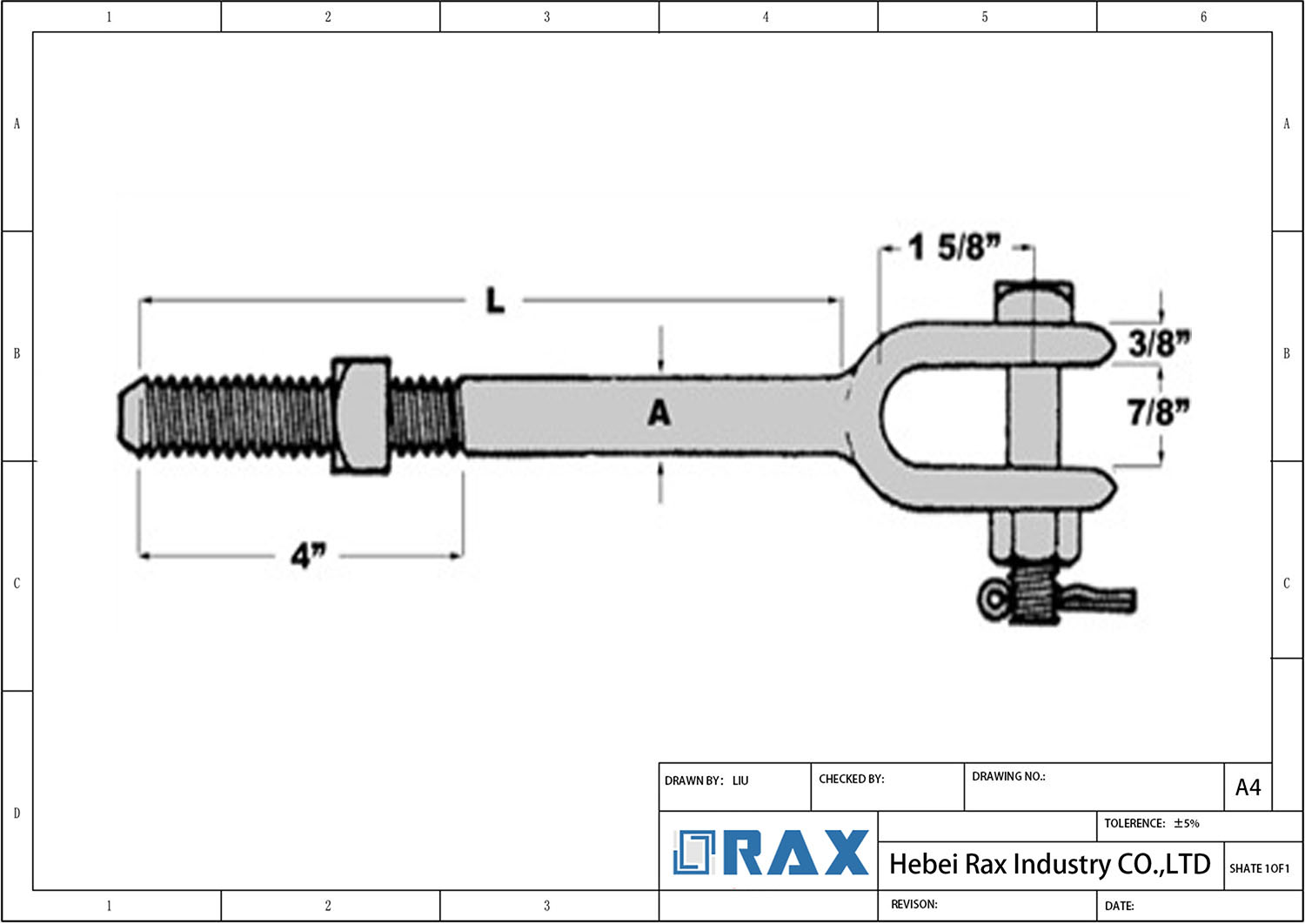
Clevis Bolt Drawing
| Series | D1 | L1(mm) | A(mm) | D(mm) | H(mm) |
| D0283-A/B0005 | M5 | 65 | 6,5 | 5 | 10 |
| D0283-A/B0006 | M6 | 72 | 7.5 | 6 | 10 |
| D0283-A/B0008 | M8 | 81 | 11 | 8 | 11 |
| D0283-A/B0010 | M10 | 96 | 12 | 9 | 14 |
| D0283-A/B0012 | M12 | 122 | 14 | 12 | 20 |
| D0283-A/B0014 | M14 | 127 | 15 | 12 | 22 |
| D0283-A/B0016 | M16 | 158 | 17 | 16 | 26 |
| D0283-A/B0020 | M20 | 180 | 20 | 19 | 30 |
Related Products
Frequently Asked Questions
How to use a clevis bolt?
Clevis bolts are a fastening solution that is ideal in assemblies where you need to connect two components and allow movement on one axis. They create a pivot point that allows rotation while still maintaining a secure connection between shafts, rods, valve pistons, and other assemblies.
What are the components of a clevis bolt?
A clevis bolt usually comes with a nut that is used to secure the bolt in place as well as a self-locking cotter pin to prevent vibration.
How do I install a clevis bolt?
The clevis structure is composed of the head or clevis and a threaded bolt. During installation, the bolt end of the clevis is threaded through the eyes of the components that need to be linked. Once the bolt is in place, a nut is tightened at the end to secure the connection.
Does a clevis bolt require maintenance after installation?
Periodic lubrication of the bolt is recommended. It helps to reduce the friction between the linked components which improves durability and maintains a secure connection. You can also check for slack and retighten the bolt if necessary in case it starts to loosen over time.